

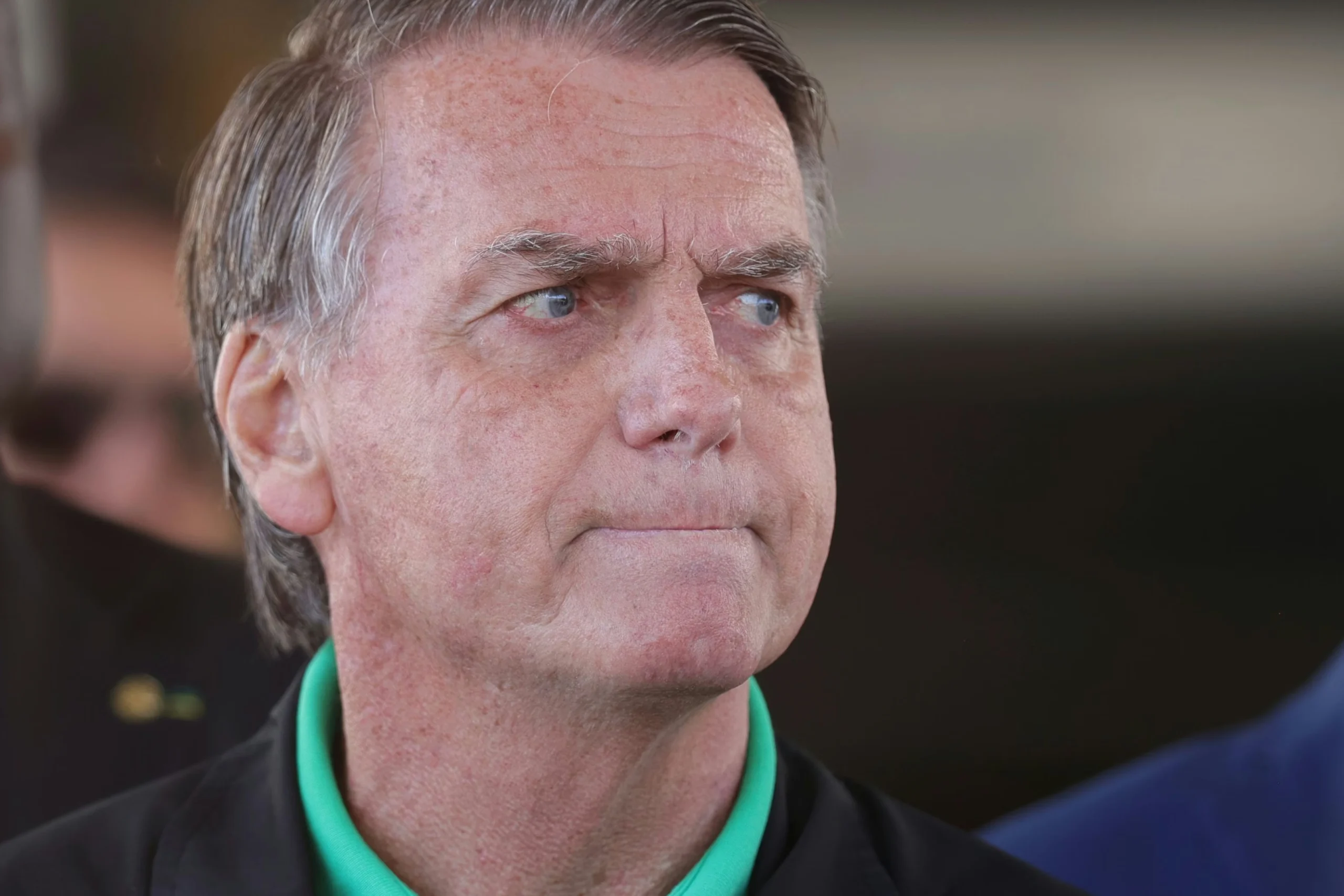
Image from Heute.at
The latest ruling by the Federal Supreme Court (STF) has determined that former president Jair Bolsonaro will serve 27 years and 3 months in prison, in a closed regime, after being found guilty of leading a coup attempt aimed at preventing the inauguration of the winning ticket in the 2022 elections.
From conviction to imprisonment
The conviction was issued on 11 September 2025, following the judgment of the criminal action concerning the so-called “core group”, which attributed to Bolsonaro and other defendants crimes such as attempted coup d’état, armed criminal organisation, threat, aggravated damage, and an attack against the democratic rule of law.
Subsequently, motions for clarification — a standard type of appeal — were rejected by the First Chamber of the STF, confirming the conviction. As a result, arrest warrants were issued.
On the morning of Saturday, 22 November, the court order was carried out. The Federal Police (PF) placed Bolsonaro in a room at the headquarters in Brasília. The decision was upheld unanimously by the court — the justices considered that he had violated precautionary measures by attempting to remove his electronic ankle monitor with a soldering iron, claiming “paranoia” caused by medication.
Imprisonment in a closed regime
On Tuesday, 25 November, the STF ruled that Bolsonaro must begin serving his sentence in a closed regime. The decision marks the start of the enforcement of this historic judgement.
His lawyers had requested house arrest on health grounds — the former president, aged 70, suffers from serious chronic conditions. This request, however, was denied by the court.
International repercussions and political implications
The conviction of a former head of state to such a lengthy prison term carries major political and symbolic weight beyond Brazil’s borders. For many analysts, the verdict represents a milestone in the defence of democracy, demonstrating that no one — regardless of power or public influence — is above the law.
On the other hand, the decision has sparked protests from supporters and raised concerns among international figures, who allege “political persecution” and fear heightened polarisation and institutional instability.
Geopolitical experts point out that the outcome may reshape the future of the Brazilian right, weakening radical leaderships and opening space for the reorganisation of conservative parties.


