
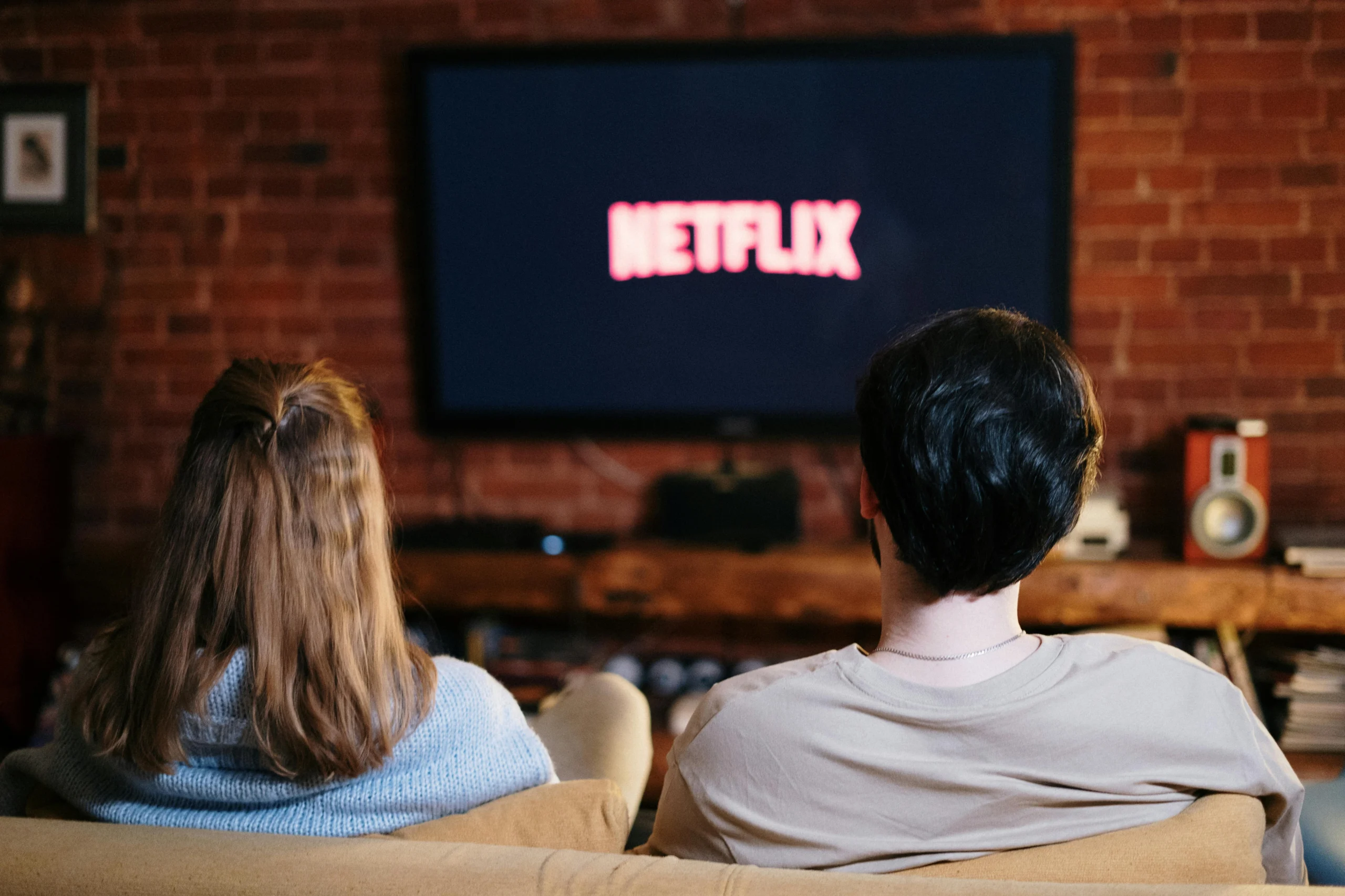
Image from Pexels
Paramount Skydance has announced a hostile all-cash bid of US$108.4 billion to acquire Warner Bros. Discovery, in response to the deal Netflix had agreed to pursue for the company just days earlier. Paramount’s offer of US$30 per share covers all of Warner’s divisions — studios, streaming and linear cable channels — in a direct bet on scale and catalogue power.
Netflix had managed to internally validate a deal to acquire part or all of Warner’s assets after winning an auction, in a move widely viewed as a potential game-changer for the streaming market. However, the structure of the Netflix proposal — a mix of stock, cash instalments and clauses determining which assets would be included or excluded — triggered mixed reactions and opened the door to rivalry. Netflix itself disclosed details of its agreement, prompting analysts to begin evaluating regulatory and strategic risks.
What makes Paramount’s move particularly aggressive is the inclusion of traditional TV assets — such as cable networks — which the Netflix offer intended to leave out. By putting forward a higher all-cash value per share, Paramount is attempting to persuade Warner shareholders that its proposal delivers greater value and fewer uncertainties (for instance, less exposure to equity paper). This distinction — acquiring the entire group versus only studio/streaming assets — fundamentally shifts regulatory risk, integration strategy and the value dynamics of the deal.
Behind the scenes, Paramount’s bid comes with heavyweight financial backing: the move is supported by funding and guarantees from major players and institutional investors, including billionaire families and private equity and Middle Eastern funds keen to take part in Hollywood’s consolidation — which makes the competitive landscape even more complex. Simultaneously, the situation has taken on political and influence-driven undertones, with public figures weighing in and observers noting that the transaction will face intense regulatory scrutiny.
Regulation is, in fact, the thorniest issue: the acquisition of Warner by a major streaming player raises serious antitrust concerns. The consolidation of catalogues, exclusive rights to series and films, and control over distribution channels could reduce competition and affect consumer pricing and access. Analysts already point out that the deal — whether via Netflix or Paramount — will undergo lengthy reviews across several jurisdictions, alongside pressure from lawmakers and unions.
Another practical factor influencing shareholder decisions is the contractual cost if a deal collapses: public documents and reporting suggest the existence of breakup fees and bilateral compensations that make backing out of an already-accepted agreement expensive. This adds legal and financial complexity should Warner decide to switch to a competing bidder. In short: even with a higher cash offer, there are contractual and regulatory barriers that make this battle far more than a simple race for the biggest cheque.
For the market and for content creators, the consequences are both strategic and tangible. A merger that integrates a studio, a historic catalogue, linear channels and a major streaming service would create an unparalleled portfolio of intellectual property — an enormous competitive advantage, but also a responsibility regarding distribution diversity, production investment and labour conditions. For advertisers and international partners, the shift alters negotiations and bargaining power.
What to watch in the coming days and weeks
- How Warner’s board and shareholders will respond: will they accept the higher all-cash offer or stick with the Netflix agreement already validated?
- Regulatory reactions in key jurisdictions (US, EU, UK and major licensing markets).
- The stance of Hollywood unions and guilds regarding concentration of power, job protection and production conditions.
- Possible amendments to the Netflix deal (breakup clauses, financing guarantees) that could reshape the financial equation.
This dispute is not merely about astronomical figures: it is about who controls the stories, how they will be distributed and which rules will govern the screen of the future. In this season of consolidation, the true stakes lie in the balance between scale, creativity and regulation — and the way this balance is shaped will define the next chapter of global entertainment.


