
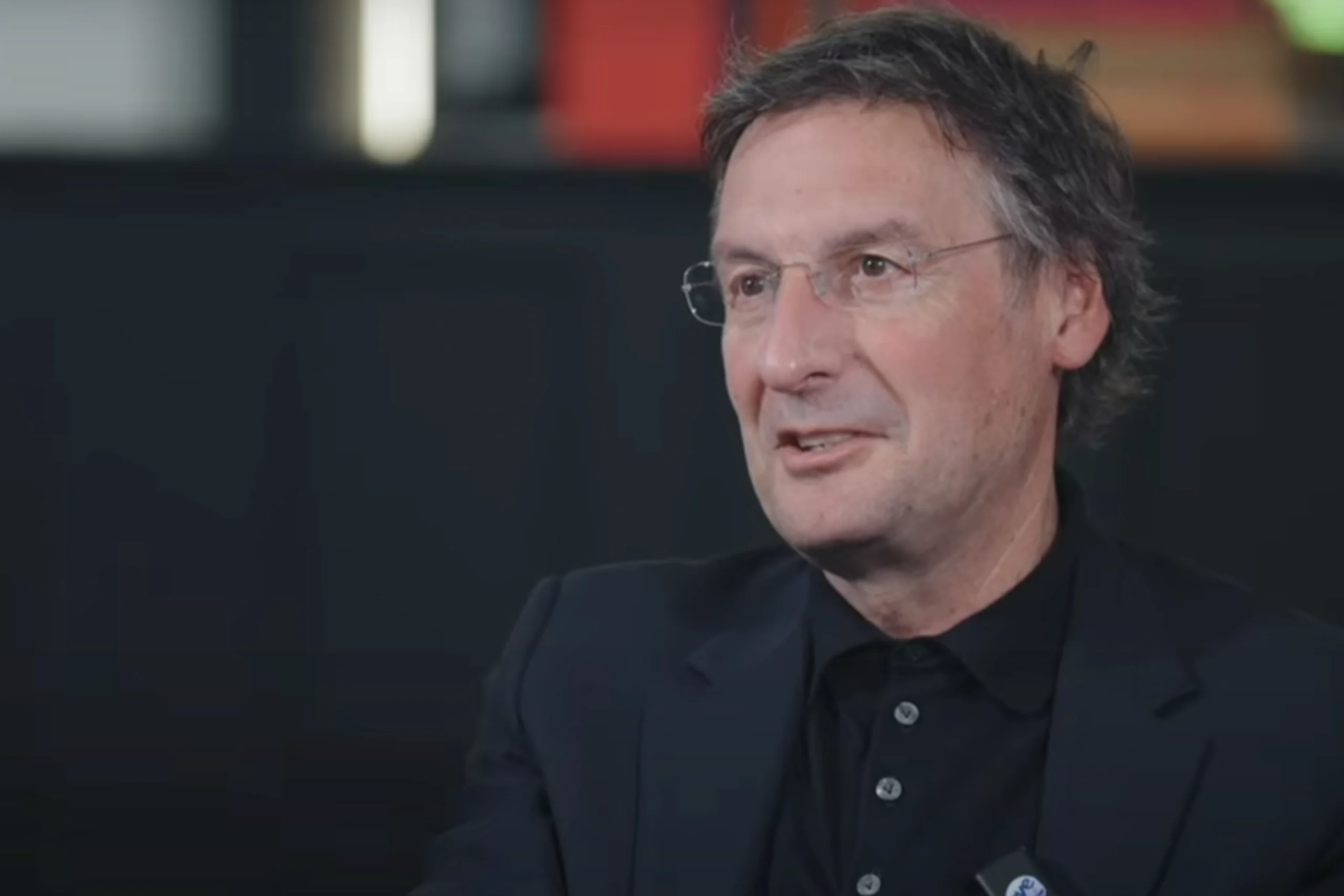
On Tuesday, the luxury conglomerate LVMH officially announced that Pietro Beccari, current CEO of Louis Vuitton, will assume the position of Chairman and CEO of the LVMH Fashion Group as of 1 January 2026 — taking on this new responsibility while continuing in his role at the helm of the group’s most iconic maison.
The decision marks the end of an era: the executive who previously held the position, Sidney Toledano, is stepping down from operational duties after more than 30 years working alongside LVMH’s president, Bernard Arnault, but will remain as a special adviser — a sign of a careful transition and respect for his legacy.
Under the new structure, fellow executive Damien Bertrand, currently Deputy CEO of Louis Vuitton, will join the LVMH Executive Committee, taking on a strategic support role during this period of adjustment and coordination.
The LVMH Fashion Group encompasses major fashion maisons — among them Celine, Givenchy, Loewe, Marc Jacobs and Louis Vuitton itself. Beccari’s appointment comes at a strategic moment for the group, following a period of global slowdown in the luxury sector — and represents a bet on unifying its brands under a single leadership known for experience and long-term vision.
Beccari brings an impressive track record: he began his career in marketing and communications, joined LVMH in 2006, led maisons such as Fendi and Christian Dior Couture and, since 2023, has been heading Louis Vuitton. This expertise, now extended to the entire fashion group, suggests a renewal that respects each brand’s heritage and identity while pushing for innovation and institutional coherence.
Industry analysts view the move as a “re-scaling of luxury” — aiming to respond to current challenges: global competitiveness, shifts in high-end consumer behaviour, sustainability and aesthetic renewal. Consolidated leadership under Beccari may translate into greater efficiency, faster decision-making and a more integrated portfolio strategy.
This is a moment of transition and close observation: luxury does not rely solely on labels and tradition — it demands strategy, adaptability and an acute awareness of its time. The new LVMH structure reveals that behind the glamour and the catwalks lies a complex corporate chessboard, where each move defines trends, power and the future of what we wear.


