

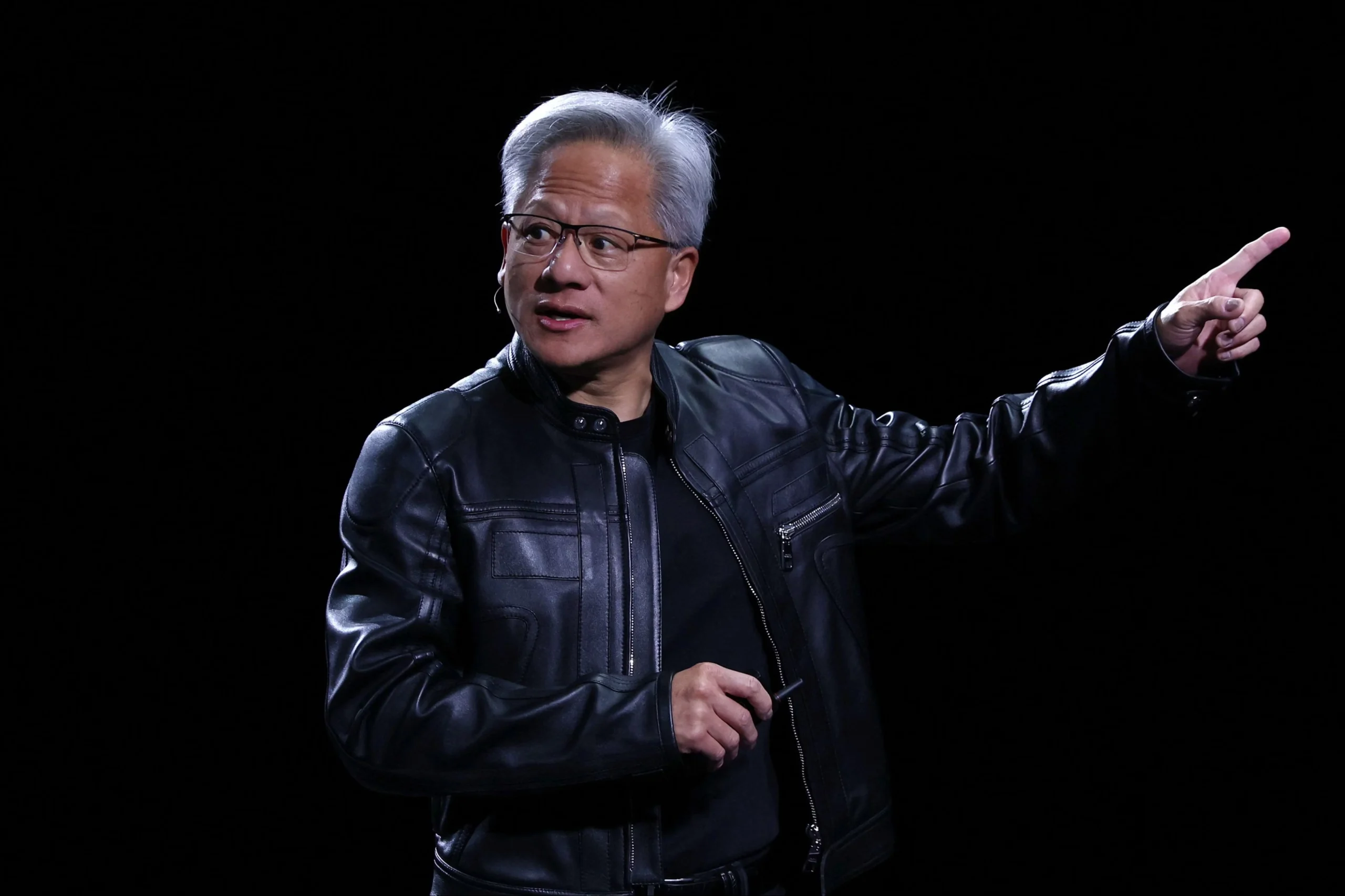
Image from Heute.at
On Wednesday, 29 October 2025, Nvidia made history: it became the first company in the world to surpass a market capitalisation of US$ 5 trillion. This achievement is not merely symbolic — it represents, above all, the new axis of value in the global economy: artificial intelligence (AI).
Let’s explore the factors that led to this milestone, the implications for the industry, the economy, and the lifestyle we are shaping — because, ultimately, technology and luxury walk hand in hand.
From chip manufacturer to AI platform
Nvidia’s trajectory is a paradigm of reinvention. For many years, it was known mainly as a manufacturer of GPUs (graphics processing units) for gaming. Today, it is the engine powering much of the world’s AI infrastructure: massive training systems, data centres, chips, and platforms.
One of the clearest signs of this leap: since the launch of ChatGPT in 2022, the company’s shares have risen by more than 1,000 %, driven by a demand that has become truly global.
In practice, this growth has taken shape through:
- A surge of orders and contracts — including public announcements exceeding US$ 500 billion in chip reservations;
- Expansion of strategic partnerships — from collaborations with telecom companies (6G) and governmental data centres to negotiations with firms such as Nokia;
- A geopolitical landscape in which AI-related technology has become a central piece of competition between global powers, particularly the US and China.
Why the US$ 5 trillion milestone matters
Unmatched scale
Nvidia’s market value now surpasses the GDP of countries such as India, Japan or the United Kingdom. This scale prompts reflection: the economy of the future is already taking shape today — and it is no longer centred on physical products, but on the invisible infrastructure of AI.
The AI infrastructure economy
If companies once competed over products, today they compete over computational capacity, data, and machine learning. By dominating this sector, Nvidia positions itself as critical infrastructure — a shift that profoundly transforms value chains, investment flows, and challenges related to privacy, regulation, and technological sovereignty.
Impact on markets and investment
Investors see Nvidia not merely as a tech stock but as a gateway to the macro-trend of AI. As one analyst at Hargreaves Lansdown noted: “It’s not just a milestone — it’s a statement.”
On the other hand, institutions such as the International Monetary Fund (IMF) and the Bank of England warn of the risk of an AI technology bubble, given the rapid pace of appreciation and high expectations.
Practical effects on the global economy and lifestyle
- For the semiconductor industry: Nvidia sets the standards and profit margins — pushing rivals, suppliers and nations to keep pace with a much faster cycle of innovation and scale.
- For the digital economy: Sectors that rely on AI — from autonomous vehicles to medical diagnostics, fintech, and smart grids — will face a new level of cost pressure, performance, and competition.
- For geopolitics and global supply chains: The control of AI chips has become as strategic as oil once was — compelling countries, corporations, and investors to reassess risk, supply, and dependency.
- For us, observers of lifestyle and culture: Technology shapes how we consume, work, and live. The AI infrastructure Nvidia is helping to build underpins assistants, connected environments, personalised experiences — and, of course, the digital luxury that defines our era.
Nvidia’s US$ 5 trillion milestone reminds us that luxury and value today lie not only in what is visible, but in the layer that sustains it: in the algorithm, the chip, the intelligence.
For those who appreciate aesthetics, innovation and concept, this means paying attention not only to what we see, but to what drives what we see. The company of tomorrow may not be the one that sells the most beautiful product, but the one that provides the invisible infrastructure behind it.
In that sense, Nvidia has not only made history — it is shaping the standard.
The question is no longer “Who has the product?” but “Who defines the ecosystem?”


