

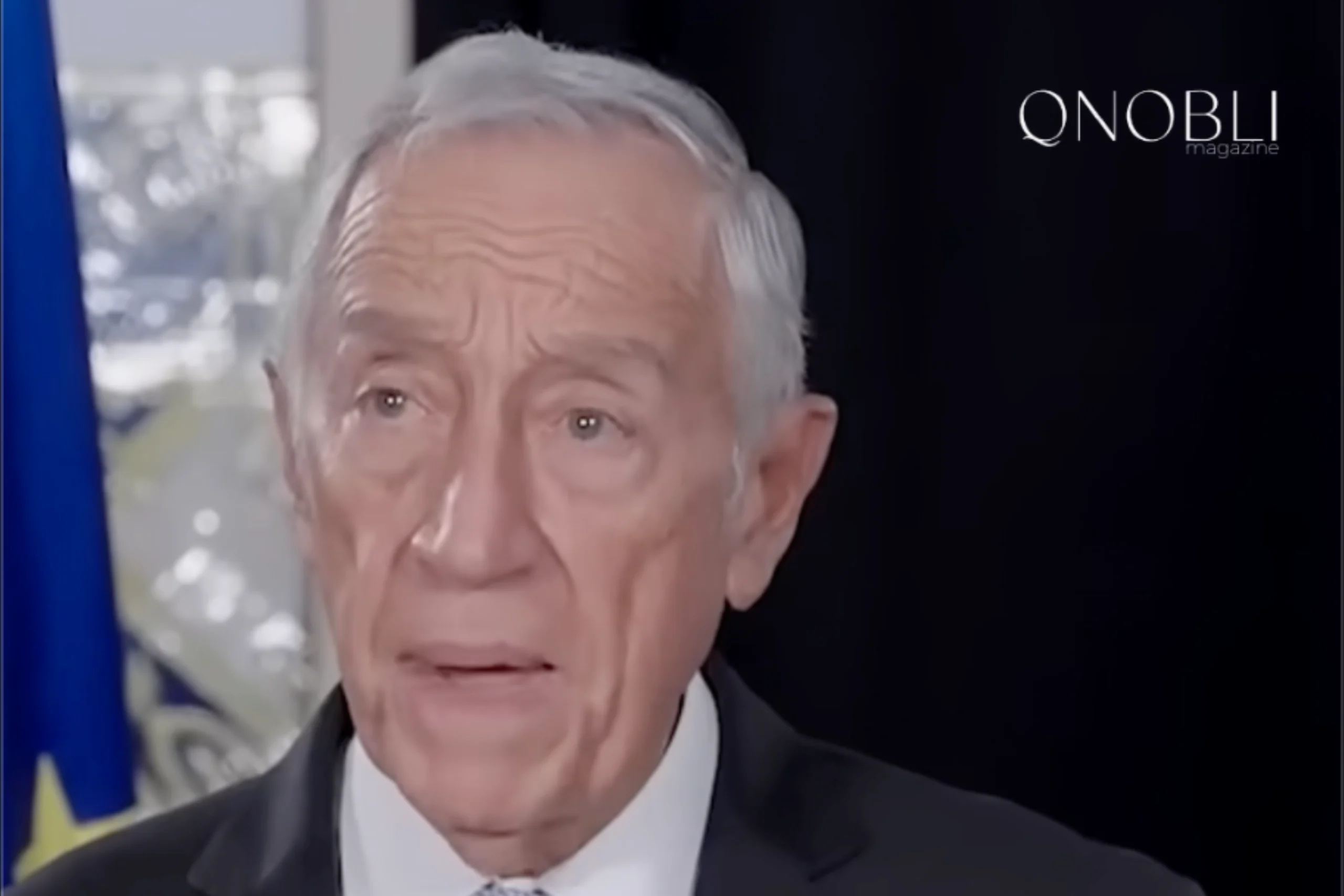
The President of the Portuguese Republic, Marcelo Rebelo de Sousa, underwent emergency surgery on Monday night to treat an incarcerated hernia at São João Hospital in Porto, one of the country’s leading medical centres. According to information officially released by the Presidency and widely reported in the Portuguese press — including RTP, Público and SIC Notícias — the operation lasted around an hour and a half, proceeded without complications and was considered low risk despite the unexpected nature of the clinical situation.
The episode has attracted significant public attention not only because of Marcelo’s state of health, but also due to the symbolism surrounding a president known for maintaining an intense schedule, constant public presence and a highly engaged style of leadership. The situation has even sparked discussions about the demanding routine Marcelo has upheld since the start of his mandate and how it may impact his health — a topic addressed by several political analysts on Tuesday morning.
Following the procedure, doctors at São João Hospital confirmed that Marcelo is recovering well. The President is expected to remain hospitalised throughout Tuesday for monitoring, with discharge anticipated as early as Wednesday, provided there are no changes to his clinical condition. The Government and various political figures have expressed wishes for a swift recovery, uniting different political spectrums around a shared desire for the Head of State’s wellbeing.
Another widely discussed point in the media was the immediate institutional response: on the night of the surgery, the Presidency formally informed the nation of the President’s condition and assured that all presidential functions remain fully guaranteed, with no impact on political stability. For many commentators, the transparency with which the information was shared reinforces the direct and open communication style that has characterised Marcelo’s presidency in recent years.
Although unexpected, the brief hospitalisation does not — at least for now — alter the political agenda planned for the coming days. However, experts stress that interventions of this kind, even when simple, require a period of rest, which may lead to minor adjustments to official commitments.
Nationally, the episode has reignited reflections on public health, the pressures placed on heads of state and the importance of preventive care — issues that, interestingly, align with ongoing discussions in the country regarding wellbeing, active ageing and quality of life.
Marcelo Rebelo de Sousa’s clinical progress will continue to be closely followed by the press and by the public, who await the swift recovery of one of Portugal’s most popular and media-friendly political figures.


