
Image from Heute.at/Wikimedia Commons
Forbes magazine has unveiled its highly anticipated list of the World’s 100 Most Powerful Women of 2025, a ranking that highlights women exerting the greatest political, economic, technological, cultural and social influence on a global scale. This year’s list showcases not only established names, but also emerging figures who symbolise how female leadership is intertwined with the major transformations shaping the decade ahead.
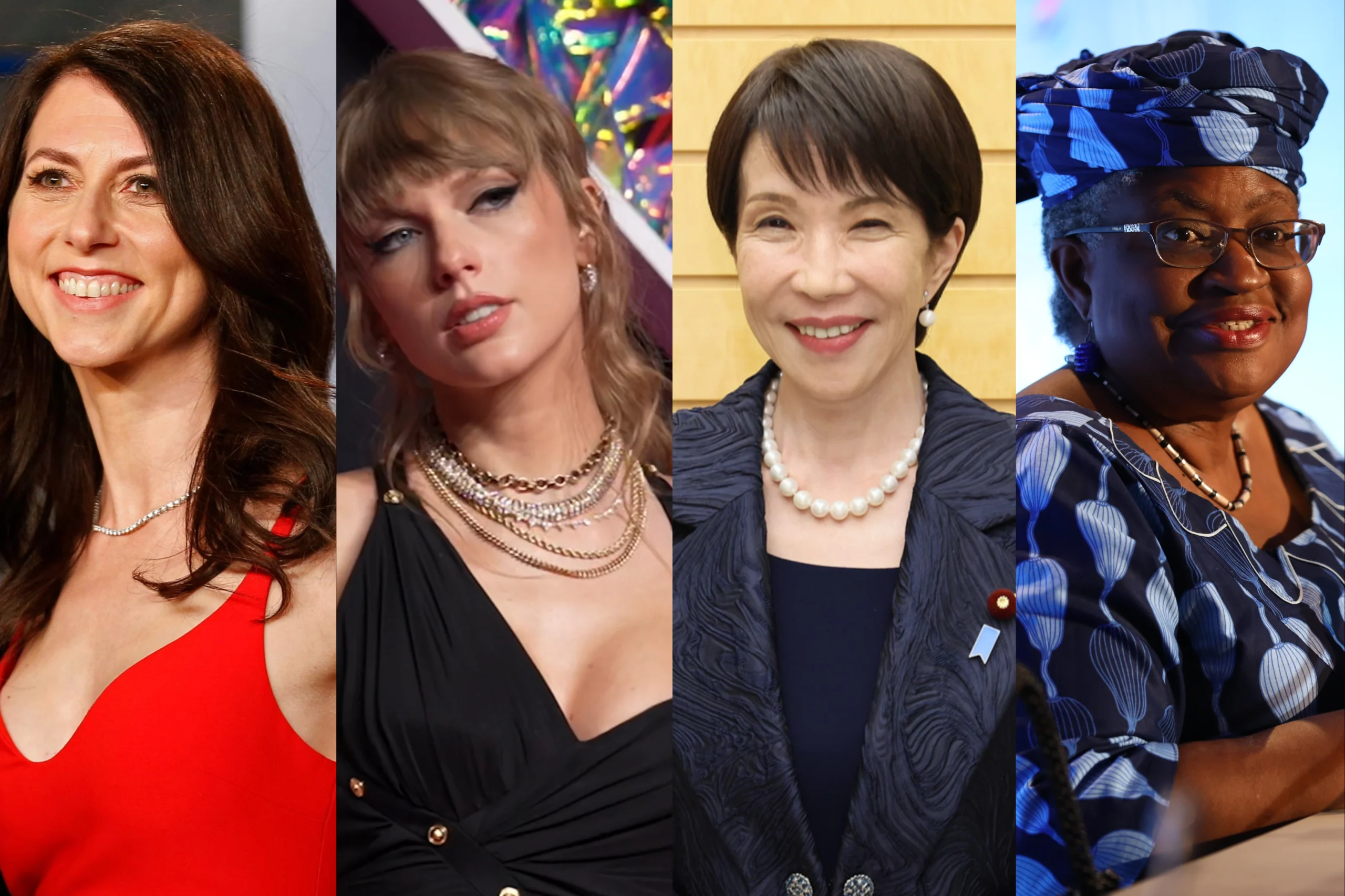
At the top of the ranking are political leaders with profound impact on global geopolitics: Ursula von der Leyen, President of the European Commission, was named the world’s most powerful woman, followed by Christine Lagarde, President of the European Central Bank, and Sanae Takaichi, who in 2025 became the first woman to assume the role of Prime Minister of Japan — a historic milestone in one of the world’s largest economies.
The list also features a strong group of business leaders who directly influence global markets. Executives such as Julie Sweet, CEO of Accenture, Mary Barra, CEO of General Motors, and Jane Fraser, President and CEO of Citi, demonstrate how female leadership at major corporations is reshaping management practices and strategic priorities in a rapidly evolving digital and economic landscape.
Among the most powerful women, technology leaders stand out prominently. Lisa Su, CEO of AMD, ranks among the top ten for her influence in the semiconductor and artificial intelligence race — one of the most strategic sectors of the global economy. Also featured are Ruth Porat, President and CIO of Alphabet, and Gwynne Shotwell, COO of SpaceX, representing the strength of women at the forefront of technology and innovation.
Another notable aspect of the 2025 edition is the presence of figures from entertainment and culture — such as Taylor Swift, who, beyond her artistic impact, appears among the most powerful women due to her vast cultural and economic reach, influencing behaviour and entire sectors of the global market.
Geographically, the list reflects truly global female power: leaders from emerging and developing economies have also secured prominent positions. Claudia Sheinbaum, President of Mexico, and Giorgia Meloni, Prime Minister of Italy, feature among the five most influential women — signalling a growing female presence in political arenas traditionally dominated by men.
In addition to these high-profile leaders, the ranking includes figures such as MacKenzie Scott, a philanthropist recognised for billion-dollar donations aimed at expanding access to education and economic rights, and Tarciana Medeiros, President and CEO of Banco do Brasil, who represents Brazil on the global list — a milestone for female leadership in Latin American corporate governance.
The Forbes list does not seek to measure power solely by wealth or formal titles — it reflects the defining trends and challenges of our time. In a world facing economic turbulence, debates over equality, technological revolutions and political crises, the women featured in the ranking symbolise how influence and leadership can drive real change in systems that have historically underrepresented female voices.
This list serves as a reminder that power today is multipolar: it does not reside only in official positions, but in the ability to shape narratives, markets and policies that impact billions of lives. The 2025 ranking offers a compelling — and evolving — portrait of how female leaders stand at the centre of the most important decisions of our time.


