

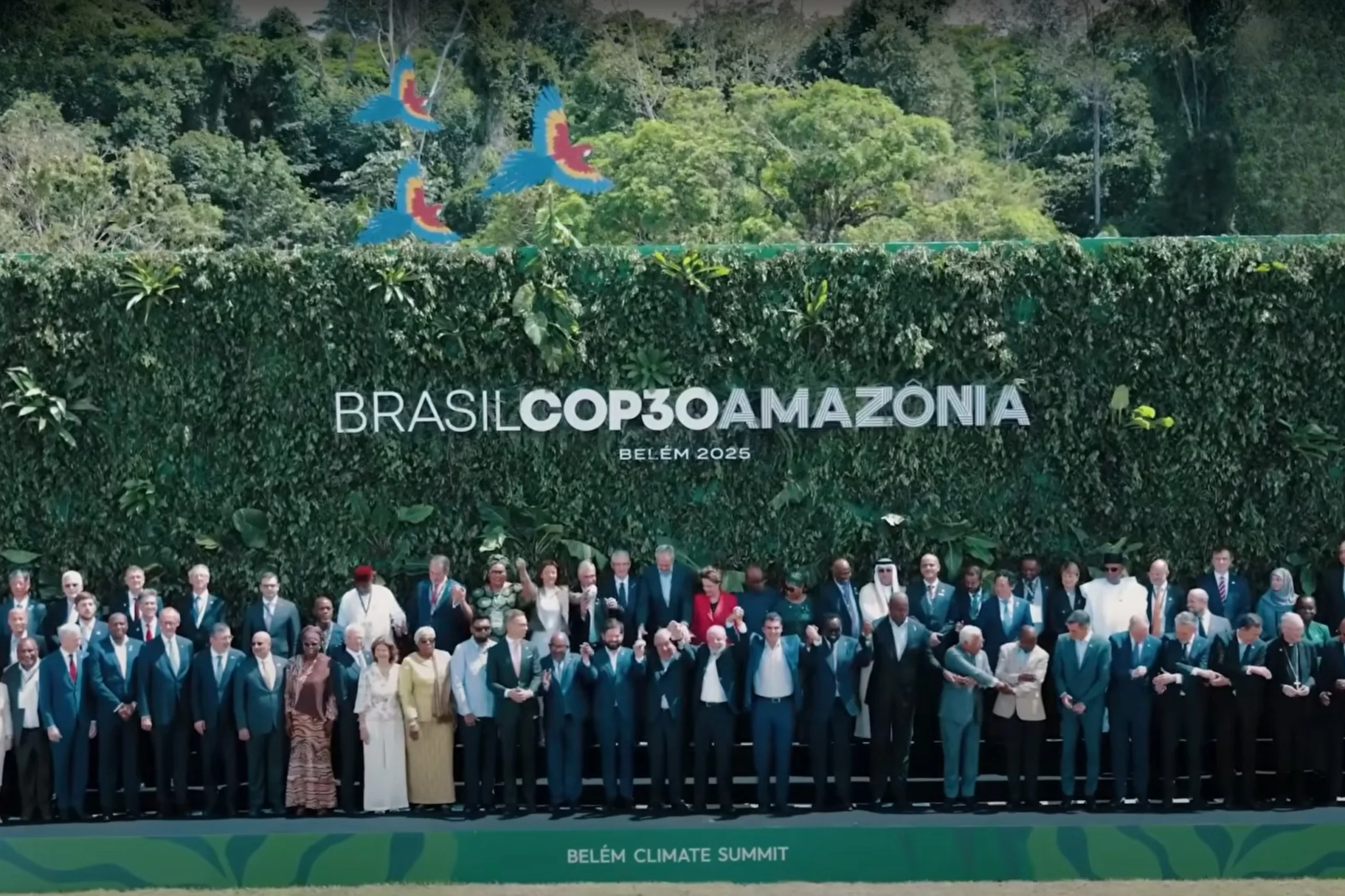
As COP30 in Belém draws to a close, the event has been marked by intense and decisive moments, reflecting both progress and significant tensions within the global climate debate. One of the most widely reported incidents in the international media was the fire that affected part of the conference venue — the smoke forced delegates to evacuate and raised questions about the safety of the event’s infrastructure.
In the final negotiations, some of the most urgent topics remained climate finance, a just transition away from fossil fuels, and increased global ambition. Leaders gathered in Belém reinforced the importance of building a global “roadmap” to phase out fossil fuels — a proposal supported by a growing number of nations and coalitions, as noted by Climate KIC.
The European Union maintained its firm stance, calling for greater ambition to meet the goals of the Paris Agreement — particularly regarding the mobilisation of resources for the most vulnerable countries and the role of the energy transition. More than 60 countries, according to 350.org, now support the idea of a global treaty to phase out fossil fuels, creating a more ambitious foundation for a lasting climate pact.
At the same time, cities around the world, through C40 Cities, stressed that they are no longer waiting for plans — they want concrete action. Mayors are demanding a just energy transition, with local participation and without leaving vulnerable communities behind.
Another central issue was climate justice: representatives of Indigenous communities warned that many commitments still fail to reflect the real needs of these populations, especially in the Amazon — offering a stark reminder that time and land are inseparable parts of the climate crisis.
On a practical level, one of the most symbolic outcomes is the proposal to establish the “Belém Action Mechanism”, part of an effort to support just transitions and protect tropical forests through innovative finance.
But tensions were not limited to the negotiation rooms: organisations accused COP30 of hosting a record number of fossil fuel lobbyists — more than 1 in every 25 participants, according to the Kick Big Polluters Out coalition.
In Belém, the urgency was unmistakable. UN Secretary-General António Guterres reminded attendees that failing to keep global warming below 1.5°C is “a moral failure and a deadly negligence”.
Ultimately, COP30 may not deliver a final agreement that is clear or ambitious on all fronts, but it has catalysed alliances, statements and pressure that may redefine how the world confronts the climate crisis — and how it organises itself to act with greater courage and purpose.
This moment marks a crossroads: promises and figures are more urgent than ever, but the real test will be to determine how far these decisions will be translated into lasting action — especially in the regions most affected by the planet’s warming.


