

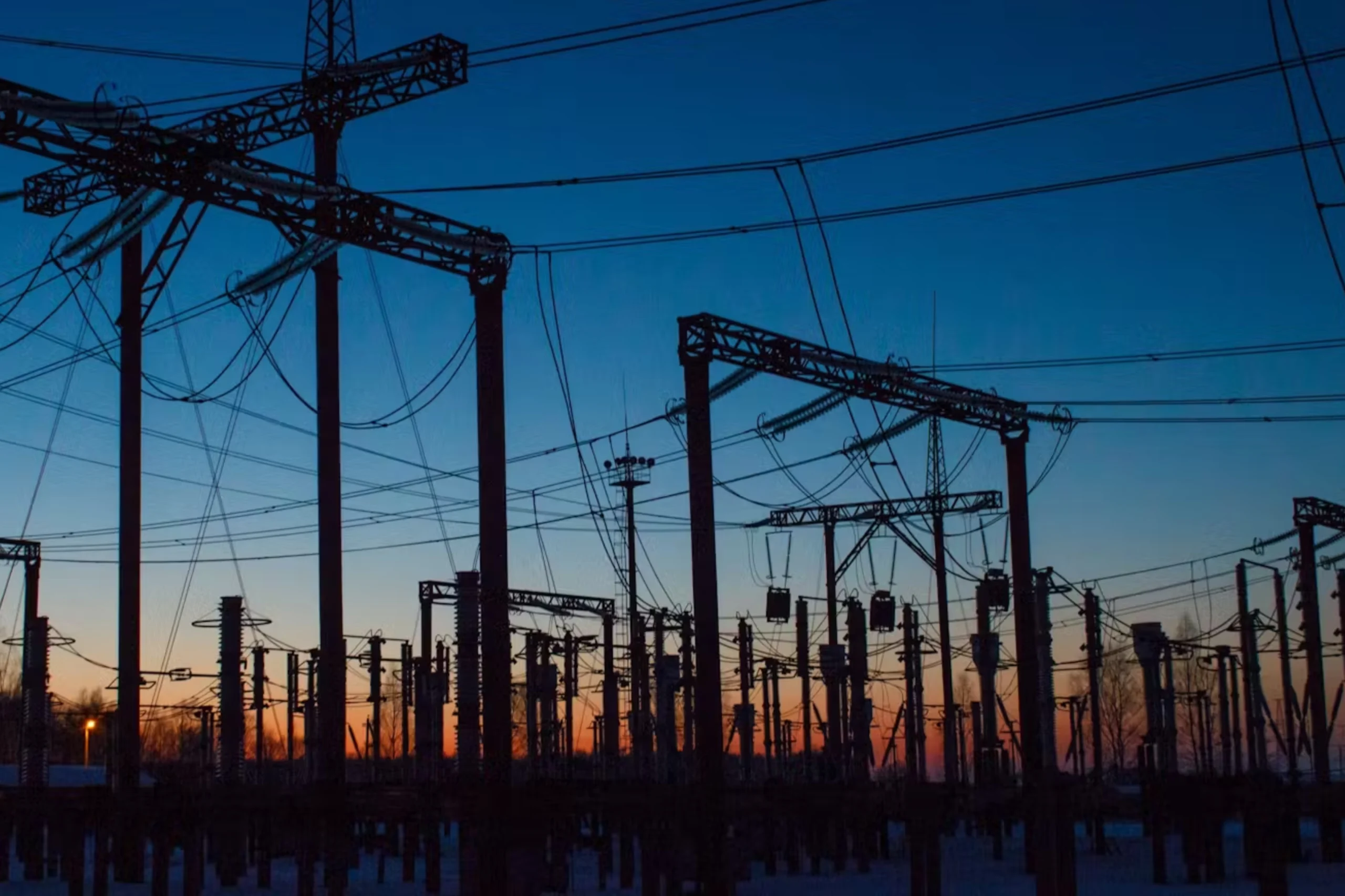
Image from Heute.at
In recent days, Red Eléctrica de España (REE) has issued a concerning alert: sharp voltage fluctuations have been detected across its power grid — a phenomenon that, although still within technical limits, could compromise the system’s stability if it persists. These fluctuations are directly linked to intermittent renewable generation and the increasing presence of installations connected through power electronics, whose rapid responses are not always visible or predictable to grid operators.
The REE has requested emergency authorisations from the CNMC (Comisión Nacional de los Mercados y la Competencia) to modify operational procedures — including voltage control, technical restrictions, and secondary regulation — on a provisional basis for 30 days, with a possible 15-day extension. While other authorities claim there is currently no imminent risk of a widespread blackout, the alert already highlights a grid operating on tight margins and facing growing vulnerabilities.
Why Portugal should also remain alert
Portugal is directly exposed to the risk due to its interconnection with the Spanish grid. Any large-scale failure in Spain’s network could “contaminate” the Portuguese system within seconds. The liberalisation of the peninsula’s energy market through the Iberian Electricity Market (MIBEL) has deepened this interdependence: Portugal and Spain share a regional electricity market, which facilitates energy flow — but also exposes each country to the other’s weaknesses.
Furthermore, a recent study by the think tank Ember identified Portugal and Spain as the most vulnerable countries in Europe to blackouts, largely because of their limited connection to the continental power grid. During the blackout of 28 April 2025, approximately 50 million people across Portugal, Spain and parts of southern France were left without electricity — exposing critical infrastructure fragilities.
Risks and impacts for businesses and society
- Energy-dependent sectors — such as technology, data centres, hospitals, and transport — are especially vulnerable to sudden outages.
- Mitigation costs — emergency measures like generators, energy backup, stockpiling of supplies or contingency planning drive up expenses.
- Supply chain confidence — repeated instability can deter foreign investment in energy-sensitive regions.
- Regulatory and tariff costs — proposed measures may temporarily increase electricity prices, affecting both households and businesses.
How to mitigate risk (and act with preparedness)
- Grid operators are proposing immediate technical reinforcements and stricter control mechanisms to absorb sudden fluctuations.
- Homes and businesses should prepare 72-hour emergency kits with basic supplies (alternative lighting, non-perishable food, portable chargers, etc.).
- Investing in storage capacity and batteries can help offset renewable generation peaks and enhance resilience.


