

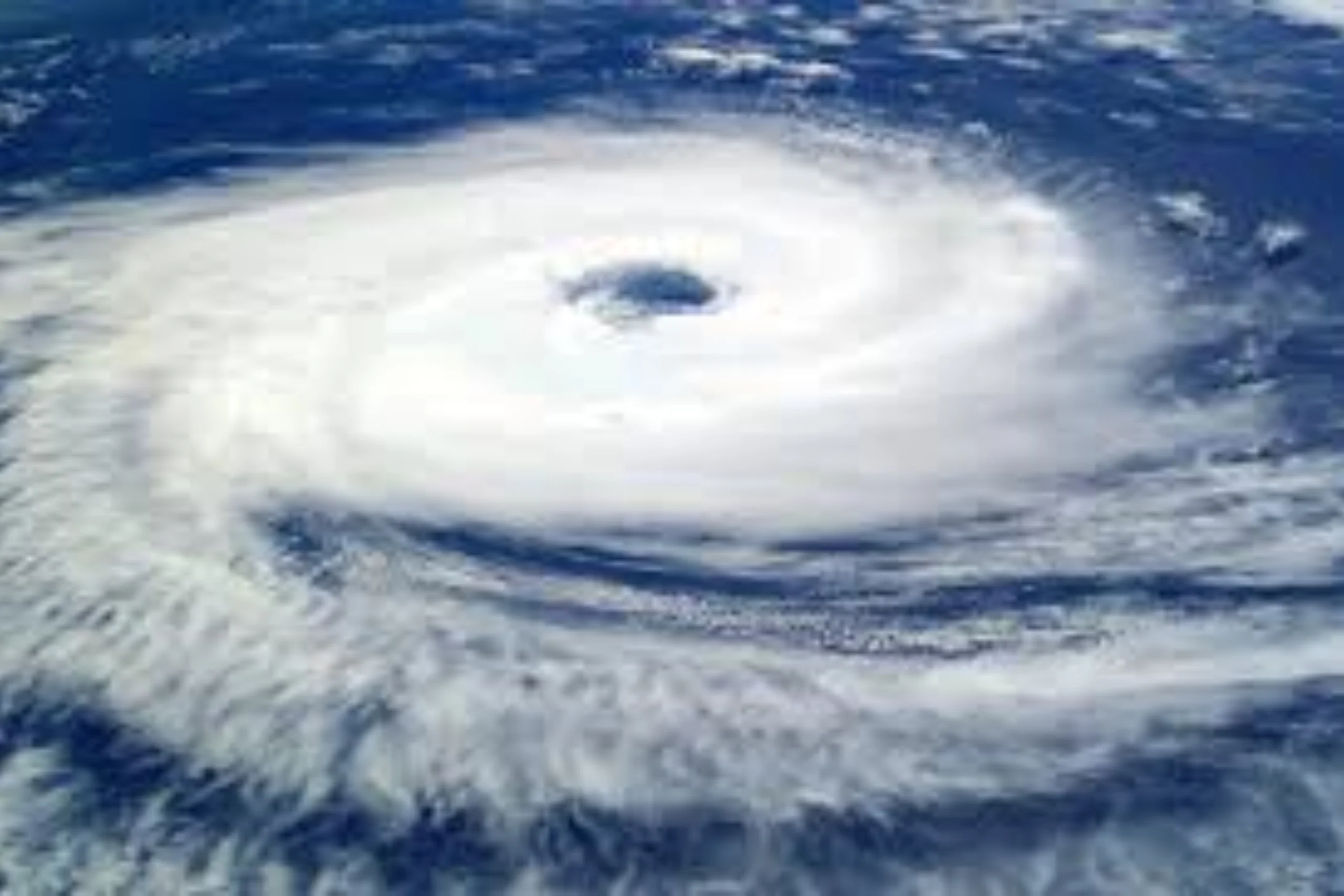
Image from PxHere
The world has turned its eyes to the Caribbean. Hurricane Melissa, now classified as a Category 5 storm, has officially entered the record books as the most intense ever recorded to hit Jamaica. With winds exceeding 250 km/h and an unpredictable trajectory, Melissa represents not only an immediate threat — but also a global warning about the growing impact of climate change.
A giant in motion
According to the National Hurricane Center (NHC), Melissa has rapidly intensified over the past few days, transforming from a tropical storm into a maximum-category hurricane in record time. The latest forecast indicates that the system will strike Jamaica this Tuesday, causing widespread destruction in the island’s southern coastal regions, particularly around Kingston.
After the initial impact, the hurricane is expected to move towards southeastern Cuba and, in the coming days, may affect the Bahamas and the Turks and Caicos Islands — regions that have already begun implementing evacuation and contingency plans.
Risks beyond the wind
Meteorologists warn of torrential rain, severe flooding, and a storm surge that could raise sea levels by up to 4 metres in some coastal areas. In mountainous regions, rainfall could exceed 100 centimetres, increasing the risk of landslides.
According to The Guardian, Jamaican authorities have already begun evacuating the most vulnerable communities and opened more than 800 emergency shelters to house displaced families. The priority at this stage is to protect lives — and ensure hospitals and essential services remain operational before the worst arrives.
The Caribbean response
Preparing for disasters such as Melissa requires not only infrastructure but also coordination and effective communication. Hospitals have been relocated to upper floors, generators activated, and power systems reinforced to minimise damage.
Even so, The Financial Times highlights that the main challenge lies in the hurricane’s slow movement — meaning that affected areas will endure heavy rain and devastating winds for a prolonged period, increasing both material and human losses.
A symbol of climate change
Melissa is more than a record-breaking storm: it is a portrait of an era in which extreme weather events have become more frequent and more intense. Experts from The Weather Channel point out that elevated ocean temperatures — fuelled by global warming — are the main driver behind hurricanes of this magnitude.
The unavoidable question arises: how can island nations dependent on tourism adapt to a reality in which a single weather event can paralyse their economy and put millions at risk?
Between destruction and hope
Hurricane Melissa places the Caribbean on maximum alert, yet it also sends a global message of solidarity and awareness.
In moments like these, humanity’s capacity to resist, respond, and rebuild becomes evident. Local communities are mobilising, governments are coordinating international efforts, and civil society is once again debating the urgency of rethinking environmental and climate policies.
At Qnobli Magazine, we follow the impact of such events not only through numbers — but through the way they reveal the interdependence between nature, economy, and humanity. Melissa stands as a powerful reminder that the elegance of modern civilisation still depends, fundamentally, on maintaining balance with the planet we inhabit.


