

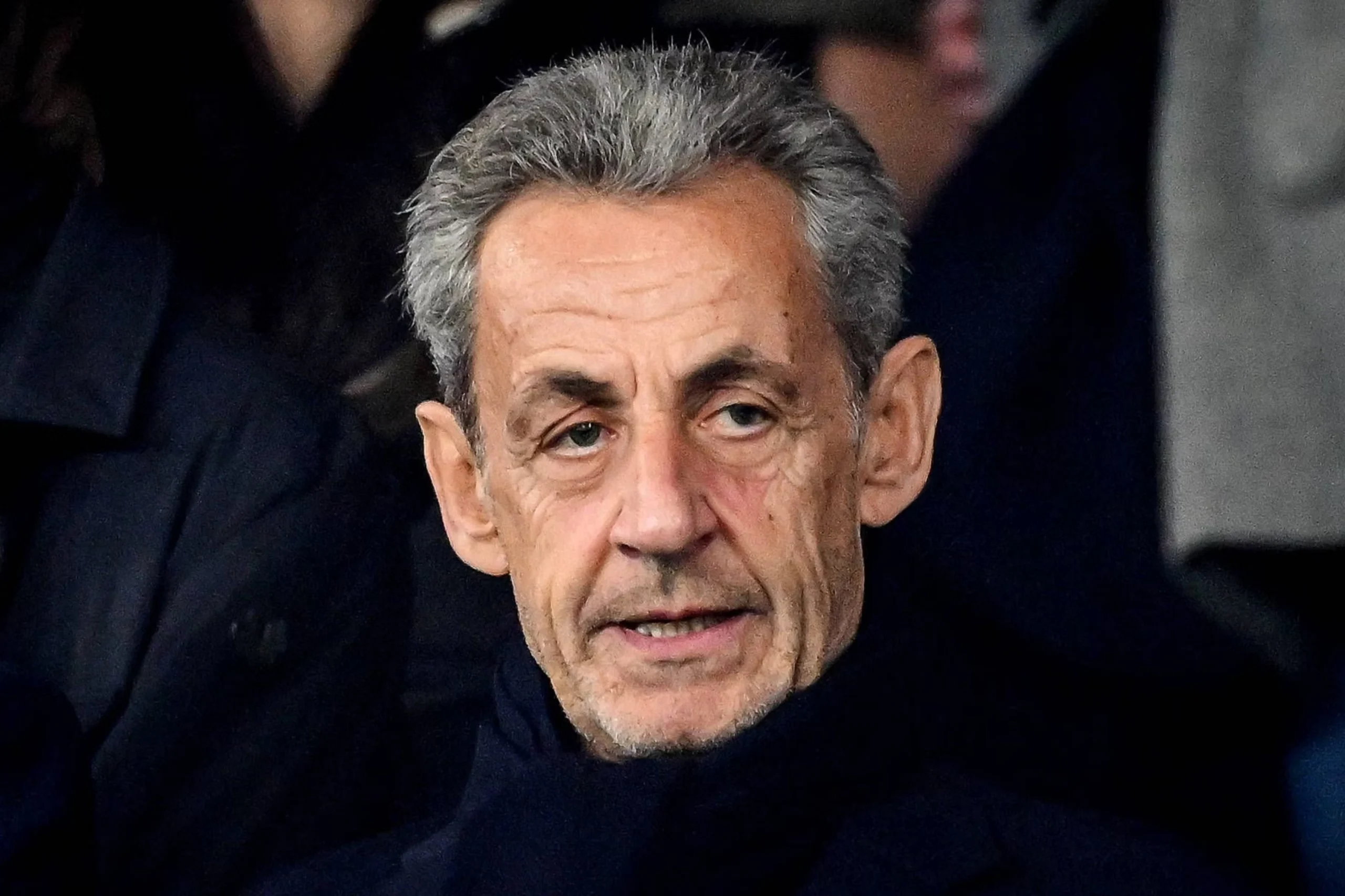
Image from Heute.at
For the first time in modern French history, a former president is behind bars. Nicolas Sarkozy, who led the country between 2007 and 2012, began serving a five-year prison sentence on Tuesday (21) at the renowned La Santé prison in Paris — an unprecedented event in French and European politics.
The reason for the conviction
The former head of state was found guilty of criminal conspiracy and illegal campaign financing in a case dating back to the 2007 election. According to the Paris court, Sarkozy received illicit funds from Muammar Gaddafi’s Libyan regime to finance his presidential campaign.
The sentence includes five years in prison (two to be served in custody), a €100,000 fine, and a five-year ban from holding public office. The court highlighted the “exceptional gravity of the offences” and ordered the immediate execution of the sentence, despite ongoing appeals.
“It’s not a former president going to prison, it’s an innocent man,” Sarkozy declared upon entering the facility, reaffirming his intention to appeal.
Where he is being held
Sarkozy was taken to La Santé prison, located in Paris’s 14th arrondissement — one of Europe’s most well-known correctional institutions, built in the 19th century and later refurbished to accommodate high-profile inmates.
For security reasons, the former president has been placed in a section reserved for vulnerable prisoners, isolated from the general population. According to France’s Ministry of Justice, the conditions are “humane and compatible with the dignity of the office he once held.”
Political and symbolic repercussions
- A test of institutional maturity
The imprisonment of a former head of state underscores the independence of the French judiciary and sets a precedent for political accountability, regardless of power or status. - Restoring trust in institutions
The court justified its decision as essential to “preserving citizens’ trust in the integrity of public institutions.” In a global climate of disinformation and scepticism, this action resonates far beyond France’s borders. - The European ripple effect
Within the European Union, the ruling is seen as a message against political impunity — particularly relevant amid rising populism and corruption scandals in neighbouring countries. - France’s image on the world stage
Long regarded as the cradle of modern democracy, France now faces a paradox: while its political image is shaken, its ethical and institutional strength stands reaffirmed.
More than a legal episode, this moment invites reflection on the nature of power and accountability.
Sarkozy — once the embodiment of French right-wing modernisation and Parisian political charm — now represents a new archetype: one of reckoning, where prestige is no longer synonymous with immunity.
In an era where fashion, culture, and politics intertwine, this case illustrates how transparency and ethics are increasingly shaping not only governments but also the conduct of brands, leaders, and consumers alike.


