
Image from PxHere
The Incident
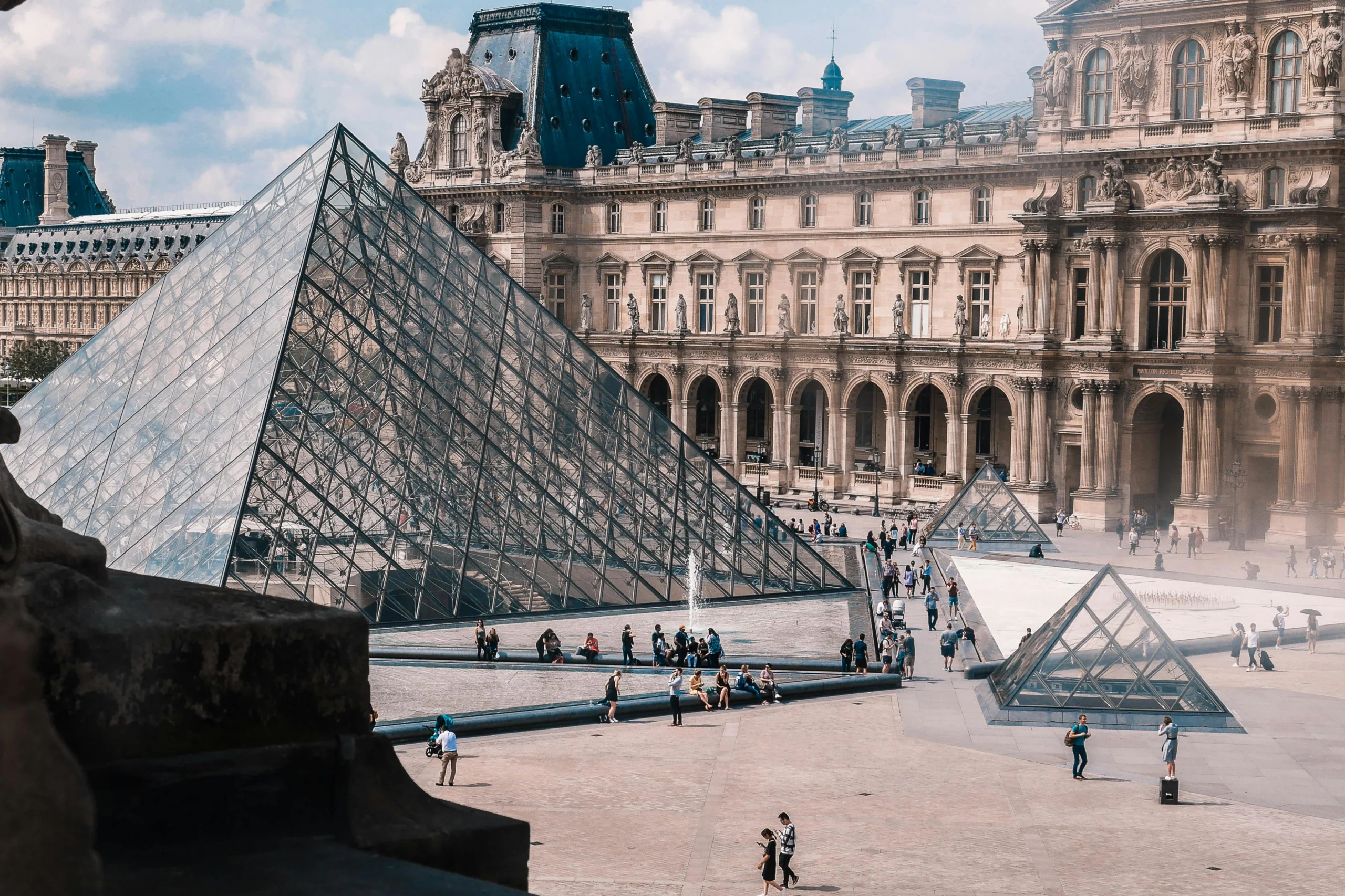
On the morning of 19 October 2025, the Louvre Museum in Paris became the scene of one of the most daring robberies ever recorded at one of the world’s most visited cultural landmarks. At around 9:30 a.m. (local time), just minutes after opening to the public, a group of four highly organised thieves used a basket lift and a platform truck to access the façade facing the River Seine. They smashed a window in the Galerie d’Apollon — home to France’s historic crown jewels — and, in under seven minutes, escaped on motorbikes with eight priceless pieces, including necklaces, tiaras and diadems that once belonged to Napoleon, Empress Eugénie and the French royal family.
Although the thieves left behind part of Empress Eugénie’s crown, later found damaged outside the museum, the value and significance of the stolen items were described by French authorities as “inestimable.”
The museum issued an official statement announcing it would remain closed “for exceptional reasons” while police and forensic teams carried out investigations.
Why This Impacts the World of Business and Global Influence
Risk to cultural heritage and the luxury travel experience:
The Louvre stands as a global reference for luxury tourism — in 2024, it received around 8.7 million visitors. A security breach of this magnitude raises concerns not only about the preservation of artefacts but also about the experience and safety offered to high-profile visitors who expect exclusivity, premium access and maximum protection.
The art and collectables market as an investment component:
For collectors and investors who regard art, rare jewels or historical relics as part of their portfolios, the heist highlights two key lessons:
(i) cultural and historical value can be as significant as market value; and
(ii) security, traceability and provenance are increasingly essential in a world where elite pieces may become targets of organised crime.
Destination branding and institutional trust:
Paris is not only a cultural capital — it is also a core luxury destination for global high-net-worth travellers. When such emblematic institutions fall victim to crimes of this nature, the city’s reputation as a premium destination is shaken. Trust from hoteliers, art houses, investors and travellers becomes a strategic factor.
Luxury chain and symbolic value:
The stolen items — French imperial jewels — carry more than price tags: they represent national identity, history and power. For those who understand that luxury encompasses both the object and its symbolic narrative, the episode reinforces that high-end consumption also demands awareness of legacy, context and security.
Developments and What to Watch
French authorities have launched a formal investigation, with over 60 investigators specialising in art crimes involved.
The museum faces criticism for underinvestment in security and infrastructure — even Culture Minister Rachida Dati and President Emmanuel Macron described the theft as a direct affront to national heritage.
For travellers, the incident may affect VIP programmes, private tours or exclusive access. High-level institutions may review protocols, leading to potential increases in costs and stricter security standards.
For investors in the art and jewellery sectors: expect heightened demands for compliance, due diligence and insurance. In a post-heist world of high visibility, transparency and provenance become key competitive advantages.
For the hospitality and premium tourism industries: destinations such as Paris will need to rethink heritage protection and luxury client safety — the expectation of a “world-class experience” now intrinsically includes security linked to cultural preservation.
The Louvre heist is not merely a shocking headline — it is a wake-up call for those who operate, invest and travel within the worlds of luxury and culture. It underscores that security, heritage and symbolic narrative are integral to the high-end experience.
This chapter reminds us that true luxury looks to the future without forgetting history — and protects what matters before it shines.


