

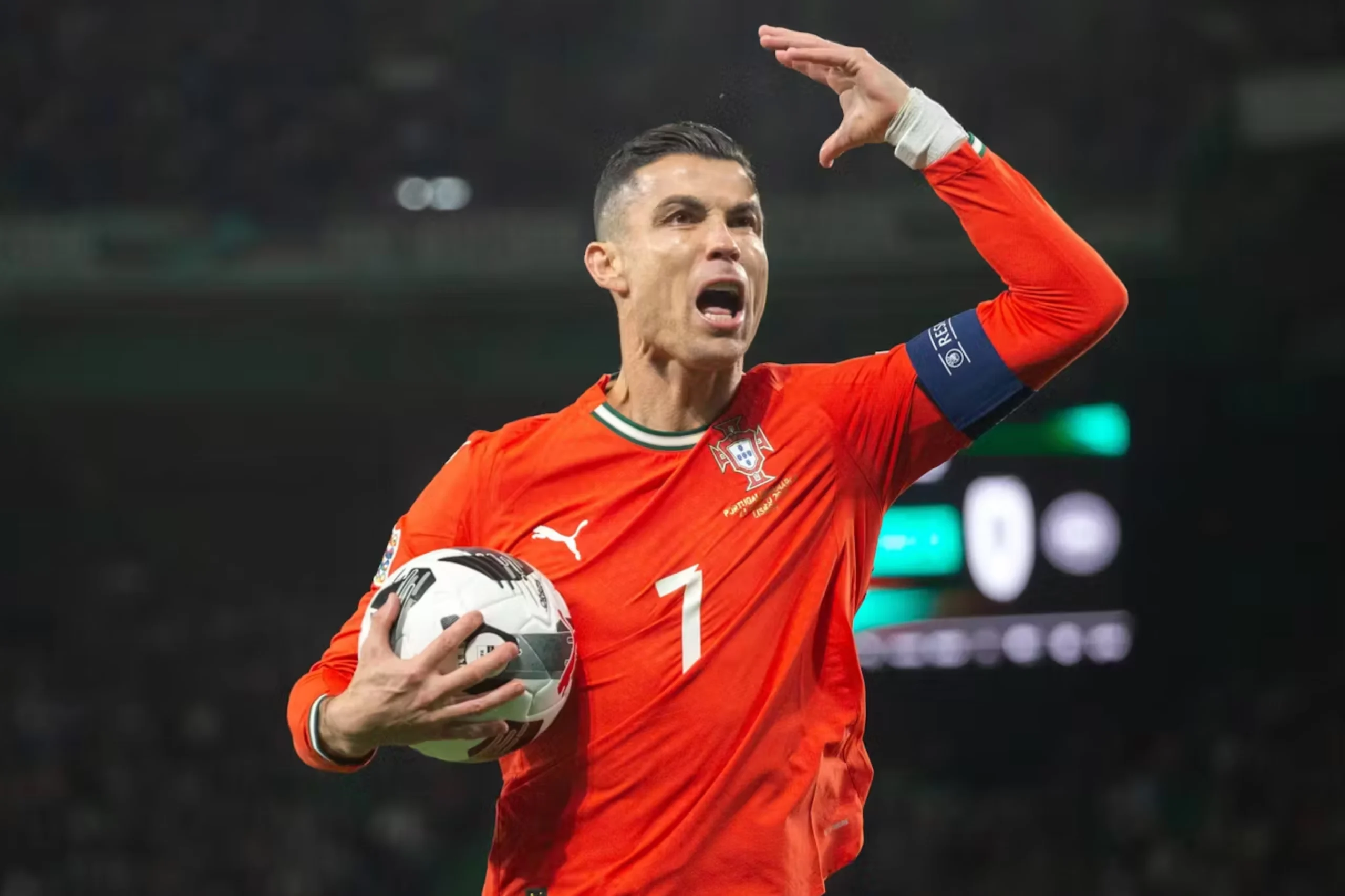
Image from Imago Images
At 40 years old, Cristiano Ronaldo has just made history beyond the football field, becoming the first football player to be included in the Bloomberg Billionaires Index, with an estimated net worth of US$1.4 billion. This milestone was reached following the renewal of his contract with Saudi Arabia’s Al-Nassr, valued at more than US$400 million.
This financial turning point does not rely solely on his current salary. Between 2002 and 2023, Ronaldo had already earned over US$550 million in club wages alone. Added to that are sponsorship and image rights deals with brands such as Nike, Armani, and Castrol, which contributed at least US$175 million to his fortune.
Another key factor in this rise was the contract with Al-Nassr, originally signed in 2023 and renewed in June 2025, which includes signing bonuses, tax-free salaries, and an equity stake in the club. This agreement significantly boosted his annual income and cemented his position as a financial elite within sport.
Repercussions in sport and the business world
Beyond marking a personal record, CR7 becomes a symbol of how football — and professional sport more broadly — has evolved: success now depends not only on on-field performance, but also on brand management, strategic investment, revenue diversification, and the ability to create global value. His following, fame, image partnerships, and ventures (hotels, gyms, CR7 brand licensing, among others) have been crucial elements in this financial leap.
A further practical outcome: markets and sponsors now place even greater value on athletes with global recognition and the capacity to generate international visibility. For clubs, agents, and brands, Ronaldo exemplifies how talent, branding, and well-structured partnerships can transcend borders — financial and cultural alike.
An inevitable comparison arises with other elite athletes, such as Lionel Messi, who, despite amassing an extraordinary fortune throughout his career, has yet to achieve this status in the Bloomberg Index. This new milestone establishes a fresh benchmark within sport: that of the active billionaire athlete.
Symbolic significance and legacy
For Ronaldo, this achievement comes at a stage when many question the end of his career, his legacy, and his “life after football”. Becoming a billionaire in his lifetime — with transparent finances, visible enterprises, and a global presence — reinforces that his brand extends far beyond records, goals, or trophies. He now stands as one of the most recognisable figures at the intersection of sport and high-impact business.
For those who value not just spectacle but also strategy, foresight, and the art of building lasting wealth, Cristiano Ronaldo demonstrates that even in professions where physical longevity is limited, the construction of personal value, brand, and investment is decisive.


