

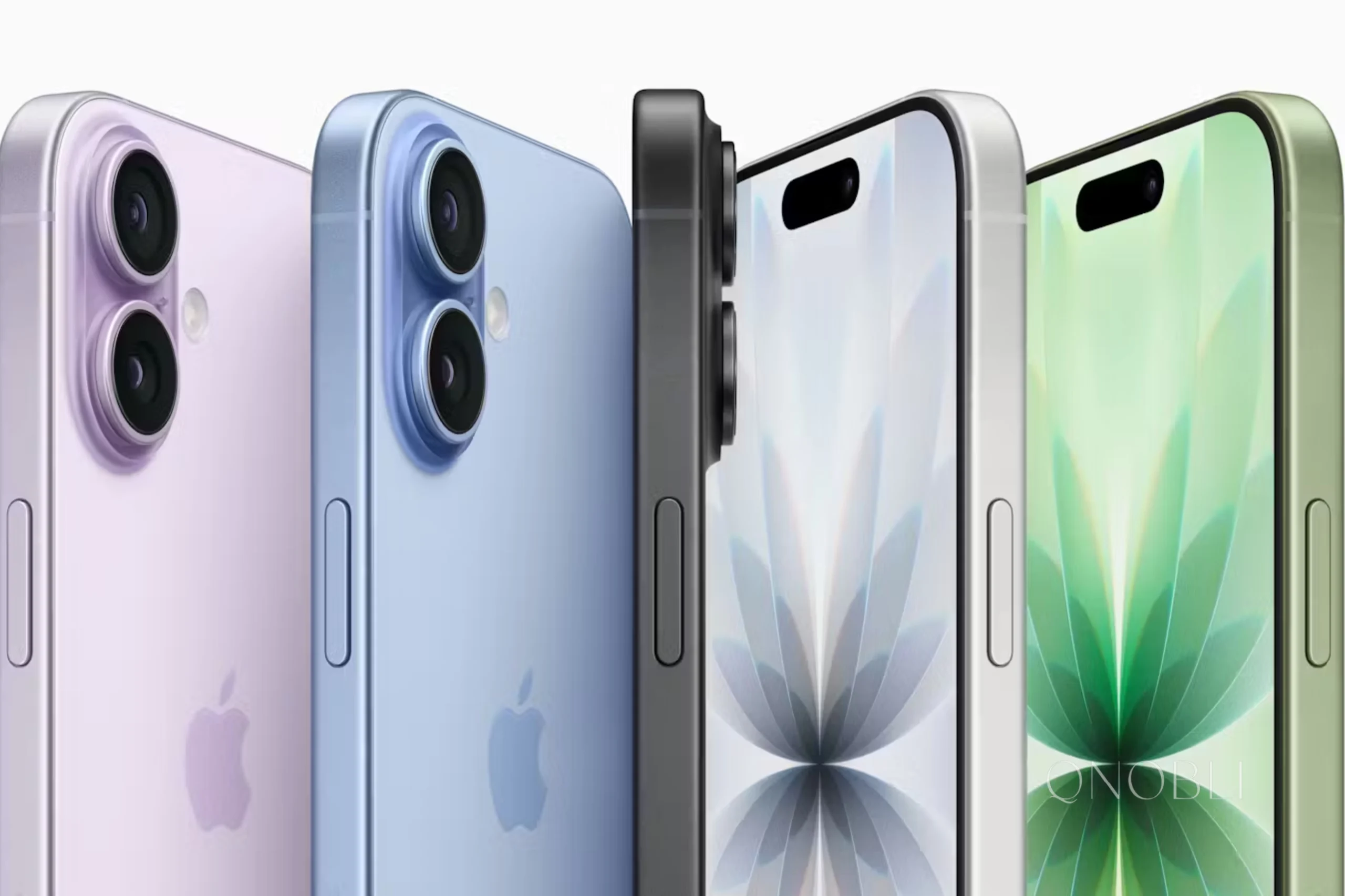
Image from Apple
On Tuesday, 9 September 2025, Apple officially unveiled its new iPhone 17 line-up, including the Standard, Pro, Pro Max, and the brand-new iPhone Air — celebrated as the slimmest model in Apple’s history, at just 5.6 mm thick. Key upgrades include the A19 Pro chip, enhanced cameras, a 120 Hz refresh rate display, improved cooling, and expanded support for Wi-Fi 7.
Despite the technical shine, the financial market reacted cautiously. Shares in Apple fell by around 1.5% immediately following the announcement, reflecting the high expectations surrounding Apple’s innovations — which many consider incremental — alongside concerns about consumers’ purchasing power in light of the new prices.
One of the most notable points was pricing. Pro and Pro Max models are expected to cost between USD 50 and USD 100 more than their predecessors, according to Wall Street analysts, partly to offset tariffs, rising component costs, and logistics. The “Air” model, with its ultra-slim design, already commands a premium starting price in certain markets, reinforcing the perception that the iPhone 17 reasserts Apple’s premium positioning.
For Apple loyalists, there are clear gains in value: improved battery life, more advanced cameras, and the continued strength of the integrated ecosystem. Owners of older models may find the upgrade attractive, particularly professional users of video or photography, where the quality improvements are most noticeable. However, for more price-sensitive consumers, especially in emerging markets, the higher cost may represent a significant barrier — potentially slowing upgrade cycles in the near future.
From a corporate perspective — across operations, supply chains, and logistics — the launch of the iPhone 17 highlights several long-term trends. Apple continues to expand production outside China, with increased assembly in India, potentially reducing geopolitical and tariff-related vulnerabilities. It also underscores the brand’s extraordinary power in retaining customers: loyalty rates remain one of Apple’s greatest strengths, even in an increasingly competitive environment where rivals are advancing quickly in AI and new technologies.
In summary, the launch of the iPhone 17 confirms that Apple has no intention of relinquishing its status as a brand of technological luxury. The challenge lies in balancing pricing, perceived innovation, and consumer expectations in an era where disruptive leaps are increasingly rare. For investors, competitors, and consumers who value quality and premium design, the iPhone 17 stands as both an opportunity and a benchmark — a measure of how far Apple can go without alienating its loyal base, and of just how demanding today’s market has become.


