
Image from Heute.at
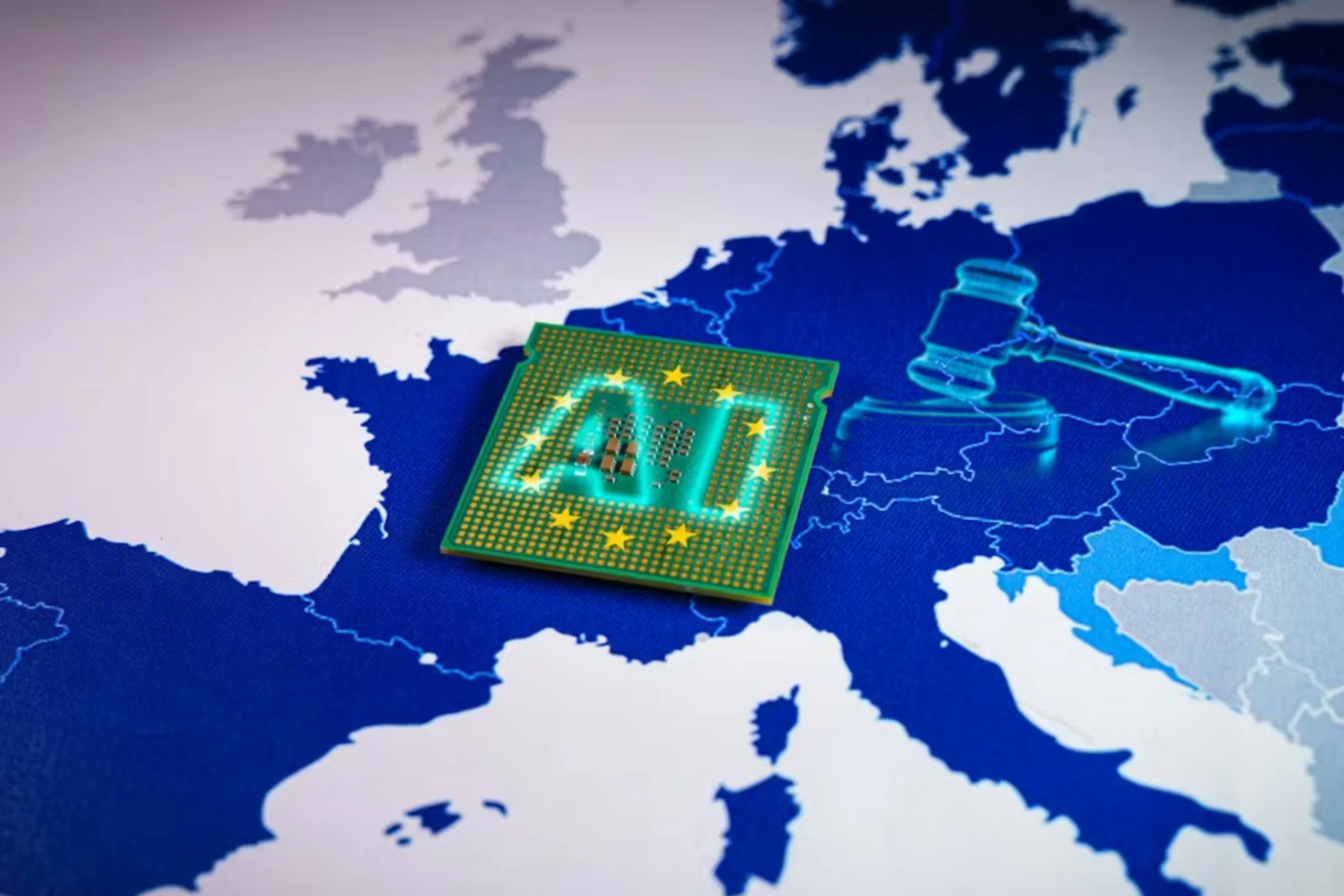
The European Union activates the AI Act and ushers in what may be the first major global regulatory framework for artificial intelligence.
Not just a law. A position.
The European regulation sets limits, risk criteria, transparency requirements and accountability — and signals something bigger: technology no longer exists in an unregulated space and begins to be shaped by values, rights and public commitments.
It is a move that goes beyond borders.
Companies, governments, platforms and societies enter a new chapter in which innovation remains central… but efficiency alone is no longer enough — it must be ethical, safe and trustworthy.
As with the GDPR, Europe does not merely regulate: it sets the reference point. And once again, it places itself at the centre of a conversation about power, control and the direction of the technological future.
The AI Act does not freeze progress.
It reveals who will decide its pace.
In a world guided by algorithms, the question remains open: are we organising technology — or learning how to organise the power it creates?


