

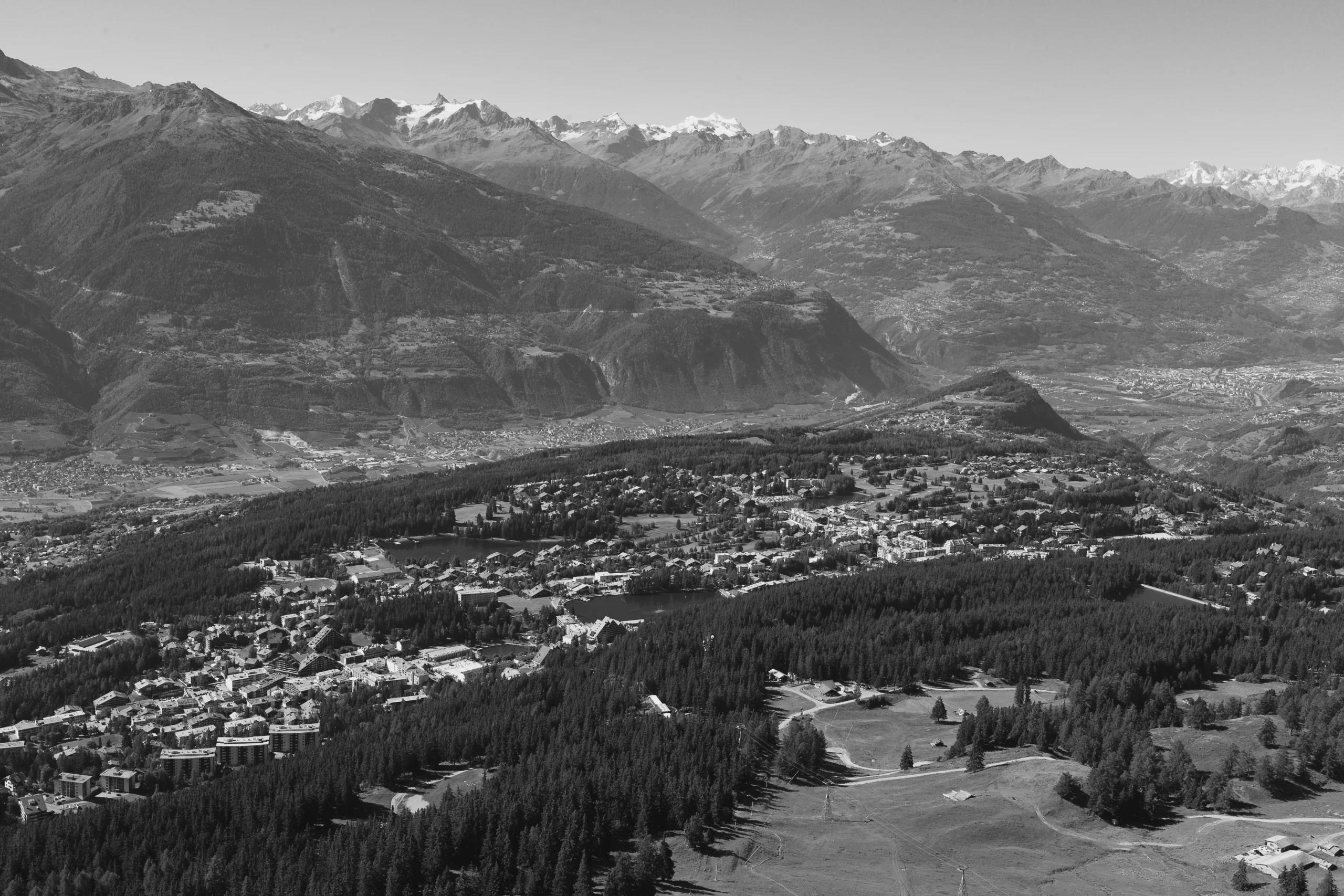
Image from Wikimedia Commons
In the early hours of 1 January 2026, a New Year’s celebration turned into one of the most serious recent tragedies in Switzerland. A devastating fire engulfed the Le Constellation bar, located in the famous ski resort of Crans-Montana, in the canton of Valais, leaving a trail of death, injuries, and shock that extends far beyond Swiss borders.
According to cantonal authorities, the fire began at around 1:30 a.m. in the bar, a popular party venue on New Year’s Eve, at a time when it was packed with people celebrating the arrival of 2026. The rapid spread of the flames turned the celebration into a nightmare: around 40 people died and approximately 115 were injured, many of them seriously. Most of the injured suffered severe burns and were taken to several Swiss hospitals, with some patients being transferred to specialised units in other parts of Switzerland and neighbouring countries.
The location of the fire — in a basement with narrow exits — made evacuation extremely difficult once the flames spread, leading emergency teams to describe scenes of panic and chaos as people tried to escape. The exact cause of the fire has not yet been officially confirmed, but witness accounts and initial findings of the investigation point to a possible “flashover” — a sudden spread of flames in an environment filled with combustible material — possibly triggered by pyrotechnics or internal sparks.
In addition to the confirmation of dozens of deaths, including young people and tourists of various nationalities, Italian authorities announced that Italian victims are among the dead or missing, including a 16-year-old golf player who was with his family at the time of the incident. The presence of foreign tourists broadens the international impact of the tragedy, with several governments closely monitoring identification efforts and support to families.
The difficulty in identifying the bodies — in many cases due to severe burns — has made the process slower and more sensitive, requiring DNA testing and the support of consular authorities to offer some closure to families.
The President of Switzerland, Guy Parmelin, described the fire as “one of the worst tragedies our country has ever experienced” and declared five days of national mourning in memory of the victims. The Swiss flag has been flown at half-mast on public buildings as a sign of respect and solidarity during this collective grief.
International organisations and governments from several countries have issued messages of condolence and support to the authorities and affected families. The World Council of Churches published a letter expressing solidarity and prayer amidst the pain and human consequences of this fire, highlighting the need for compassion and unity in moments like this.
Crans-Montana is known as a luxury tourist destination, attracting visitors from around the world for winter activities, festivities, and social gatherings. The fire abruptly shattered this festive image and highlighted safety concerns in nightlife venues, prompting authorities to investigate potential failures in safety standards, escape routes, and enforcement of regulations in places with large public gatherings.
The tragedy also brought to the forefront the importance of rapid emergency protocols and responses in remote Alpine areas, where access to medical and logistical resources can be more challenging, especially during festive periods.
A grief that spreads
The human impact of this catastrophe has resonated not only in Crans-Montana, but also among skiing communities, the tourism sector, and young Europeans who traditionally celebrate New Year in Alpine destinations. The image of a moment of joy turning into profound loss has revived memories of other tragedies involving fires in enclosed spaces and reignited debates on safety, regulation, and collective responsibility.


