
Image from National Archives and Records
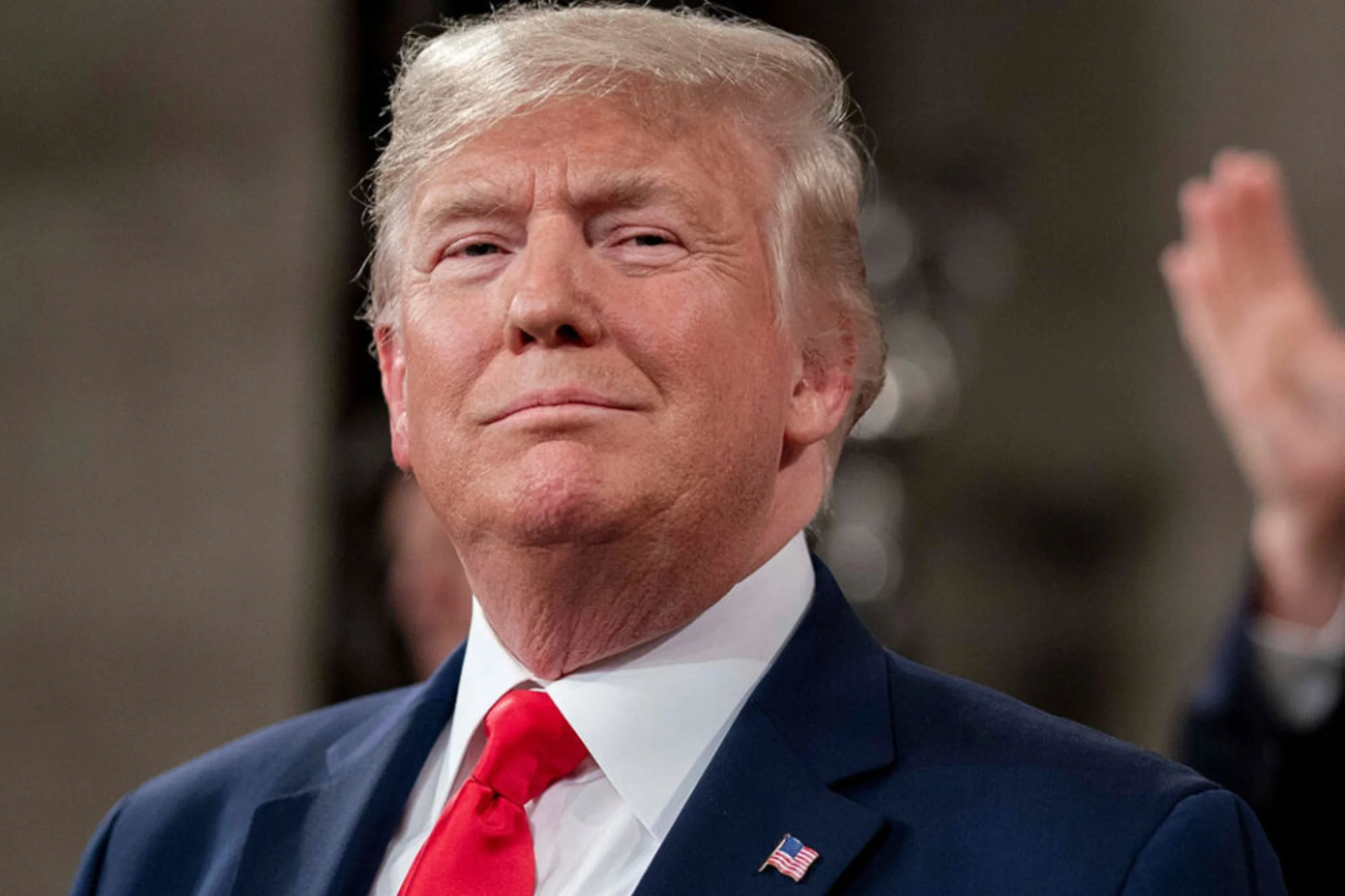
In recent days, U.S. President Donald Trump has once again generated widespread international media attention following the installation of highly politicised plaques beneath portraits of former presidents along what he calls the “Presidential Walk of Fame” — a corridor beside the Oval Office in the White House displaying photographs of all former American heads of state.
The space, created by the Trump administration itself in 2025 as a kind of presidential gallery, had already been the subject of debate for its highly personalised aesthetic and the introduction of gold-framed portraits with striking presentation. These elements reflect a decorative style that some observers have described as “imperial” and which has become a defining feature of the current term.
What has turned the latest episode into one of the most talked-about topics worldwide is the content of the new plaques. Rather than neutral or historical summaries of presidential terms, the texts contain critical and partisan commentary on figures such as Joe Biden, Barack Obama and even Republican George W. Bush, while offering praise for Trump’s own administration. Biden, for example, is labelled with the pejorative term “Sleepy Joe” and accused of alleged failures — claims that broadly contradict accepted facts about his election and presidency and have been described by the press as highly politicised.
In some cases, Biden’s official photograph has been replaced with an image of an automatic signature machine (autopen), referencing unfounded allegations made by Trump regarding the former president’s capacity — a move without precedent in White House tradition.
Reaction outside the United States was swift. Outlets such as Sky News and international news agencies highlighted that the U.S. government appears to be breaking with long-standing norms of institutional neutrality, turning a traditionally respectful space into a platform for contemporary political disputes. Critics argue that such personalisation of institutional narrative may weaken international perceptions of the United States as a model of democratic stability, while supporters claim the move represents a more candid reinterpretation of recent history.
Domestically, the White House press secretary defended the plaques as “eloquent descriptions” of each president’s legacy, stating that many were written by Trump himself. This justification has further fuelled debate on social media and among political analysts, who question the blending of historical fact with partisan assertion within an official presidential space.
The controversy comes at a time when the Trump administration has faced criticism for other symbolic changes to the White House — from the adoption of gold ornamental details in the Oval Office to alterations in how history is presented within public areas of the presidential residence.
This episode goes beyond a simple aesthetic change: it reflects a broader confrontation over historical memory, institutional integrity and the role of official narratives in polarised democracies. How leaders choose to tell — or retell — history can shape both national and international perceptions, and this case serves as a reminder that symbols and words in official spaces carry real power over reputation, diplomacy and political culture.


