

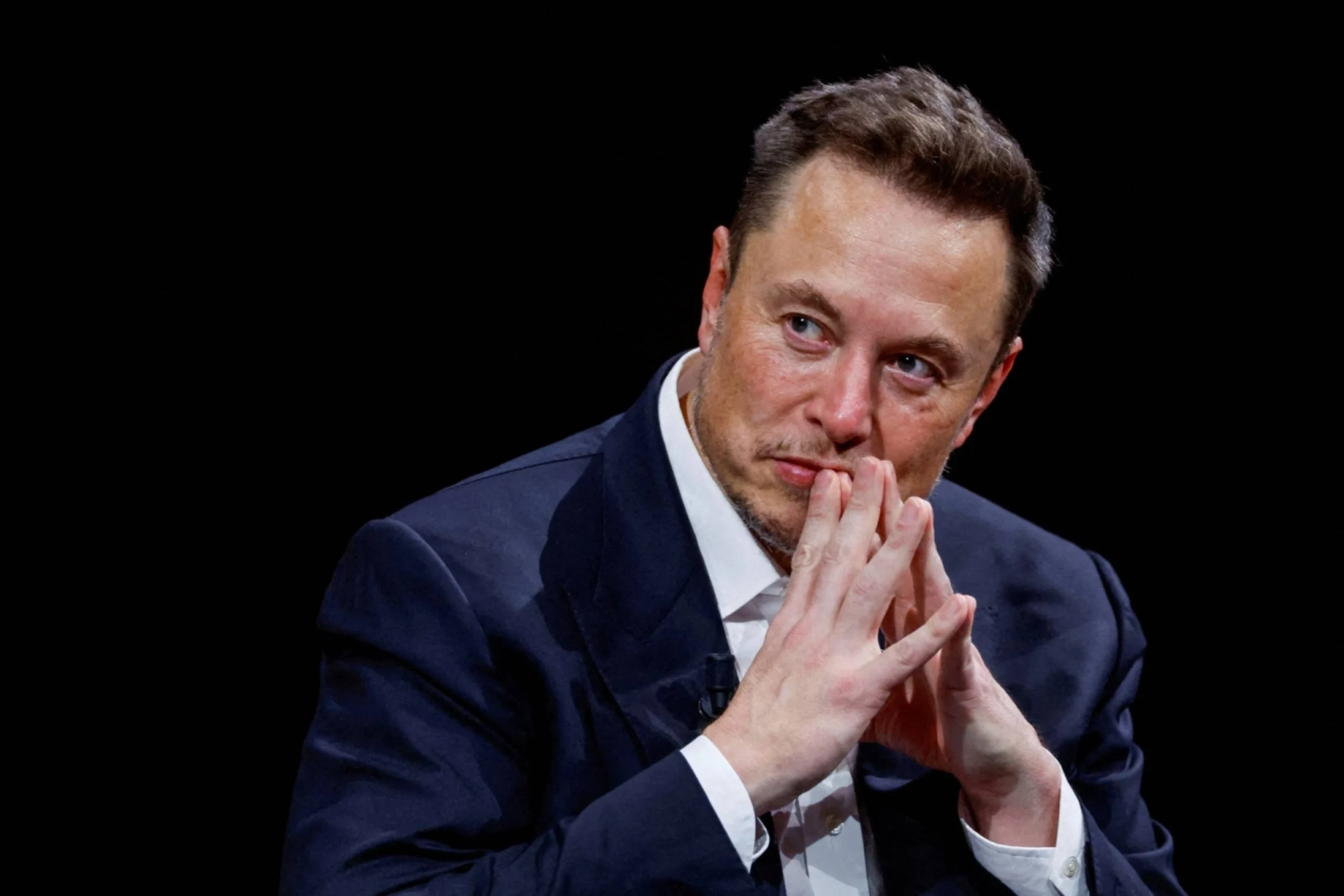
Image from Heuters
Tesla, Inc. CEO Elon Musk this week received shareholder approval for a compensation package that could be worth up to US$1 trillion, provided a set of extremely ambitious targets are met over the next decade — the outcome of the vote at the company’s annual meeting in Texas saw more than 75% in favour. Among these targets are increasing Tesla’s market value to around US$8.5 trillion, achieving annual production of 20 million electric vehicles, launching 1 million humanoid robots and robotaxis, and substantially boosting the company’s revenue.
International media outlets highlight that if these conditions are met, Musk could become the first trillionaire in history — a milestone that reshapes how we understand wealth, technology, and corporate power.
However, this development is not without controversy. Critics, including major pension funds and corporate governance watchdogs, warn that granting Musk such authority concentrates excessive power in a single executive, undermining Tesla’s board independence. They also question whether such an extravagant pay package is justifiable at a time when the company faces operational challenges — declining sales, safety concerns, and increasing competition.
The debate also takes on a symbolic tone: when one individual’s wealth is so closely tied to a company’s success at such staggering levels, questions arise about whether profit outweighs responsibility, and whether technology is being celebrated without sufficient oversight or restraint.
Beyond the astronomical figure, the real point is that this package redefines Tesla’s role — from an electric vehicle manufacturer to a global platform for AI, robotics, and automation — and signals to the market that the traditional tech era has evolved into something greater: an intelligent, autonomous, and omnipresent infrastructure.
Such a shift affects not only corporate performance but also lifestyles, consumer expectations, and the very landscape of work and innovation — now more intertwined with chips, robots, and algorithms than ever before.
Yet where there is opportunity, there is also risk. Can all these goals truly be achieved? Or are we witnessing a grand narrative that may not match the reality of the coming years? For brands, investors, and consumers with an eye on the future, this story demands vigilance — because the luxury of tomorrow may not lie in the fastest car, but in the robot that replaces human labour,


